 Natalia Budyldina
1 min read

If you’ve started freelancing or consulting on the side, you are technically self-employed, even if you haven’t filed any paperwork. Most solos begin this way, but default doesn’t always mean ideal.
Knowing the difference between self-employment and sole proprietorship helps protect your income, time, and long-term goals. Learn how these terms work legally, when a sole prop might make sense, and when it’s worth transitioning to a more structured business setup.
Curious if an S Corp is right for you?
Try the Lettuce Tax Calculator to see how much more you can take home each year.
See your savings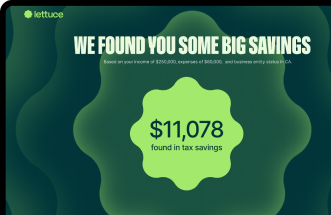
What Does It Mean To Be Self-Employed?
Being self-employed means you work for yourself, not an employer. You’re in charge of how you earn, what you charge, and how your work gets done. But while the independence is rewarding, the responsibilities are real.
Self-employed professionals include:
- Freelancers offering creative or technical services
- Consultants supporting businesses with expertise
- Independent contractors taking on project-based roles
- Business owners running their operations, either solo or with help
You qualify as self-employed if you generate solo income without a W-2. The IRS outlines extensive resources for self-employed individuals, from tax filing to estimated payments and record keeping.
Knowing where you fall on the self-employment spectrum helps you make early plans. Whether you stay solo or scale up, structure matters.
What Is A Sole Proprietorship?
A sole proprietorship is the default business structure for most self-employed professionals. You’re likely operating as a sole proprietor if you haven’t formed an LLC or corporation.
Legal And Tax Implications
This setup doesn’t create a separate legal entity. Your business income and expenses flow through your tax return, and you’re responsible for all liabilities. That means:
- You report income and expenses on Schedule C
- There’s no legal separation between personal and business assets
- You don’t need to file formation documents with your state, though local licensing rules still apply
While this simplicity works for many starters, it can expose you. Learning the tax obligations of sole proprietorships helps you stay compliant and know when to upgrade.
Lettuce’s tax tools help self-employed individuals manage deductions, estimate payments, and organize everything in one place, so you stay focused on your work, not the paperwork.
Key Differences Between Sole Props And Other Self-Employed Setups
Self-employment offers options. Sole proprietorships work well in early stages, but other structures like LLCs or S Corps provide greater protection and flexibility.
Filing And Liability Differences
Sole proprietors file business income as part of their return and are personally responsible for business liabilities. There’s no legal separation between personal and business assets, which increases risk exposure.
By contrast, LLCs and S Corps are formal business structures that offer:
- Personal liability protection
- Clear separation between business and personal finances
- Greater credibility with clients and lenders
- More funding and growth opportunities
Lettuce simplifies tax, filing, and admin tasks, so you can operate like a business, not a side hustle.
Choosing Other Business Structures
Forming an LLC or S Corp gives you more than protection. It unlocks options for:
- Lowering self-employment taxes
- Paying yourself through payroll and distributions
- Scaling your operations with confidence
The IRS breaks down common business structure types, and Lettuce helps you evaluate both options.
Explore Your Options
Depending on your income, industry, and risk profile, one of these may fit better:
- Solo LLC: Ideal if you want legal protection with minimal complexity
- Solo S Corp: Perfect for high-earning solos ready to reduce taxes and run lean payroll
Pros And Cons Of Remaining A Sole Proprietor
You must weigh simplicity against future risk. A sole proprietorship offers quick setup, which may limit your options as you grow.
Benefits Of Staying Simple
It allows you to:
- Start earning immediately
- Skip state formation filings
- Use your SSN instead of an EIN
- File taxes alongside your return
Great for side hustlers or low-risk ventures, this structure keeps things lean and flexible.
Risks Of Staying Unstructured
But the tradeoffs are serious:
- No asset protection in legal disputes
- Harder to access credit or funding
- Fewer tax planning opportunities
As income grows or responsibilities increase, these risks become harder to ignore. Lettuce helps you recognize when to upgrade and makes the transition easy.
How To Transition Into Something Stronger
If you’re earning consistently or planning to grow, upgrading from a sole proprietorship to a more formal structure protects what you’ve built. An LLC or S Corp adds legal protections, tax advantages, and long-term stability.
Steps To Formalize Your Business
Transitioning is easier than most solos expect. Here’s how to make the move:
- Register your business with your state as an LLC or corporation
- Apply for an EIN (Employer Identification Number) from the IRS
- Update your business bank account and invoicing systems
- Switch your tax filings from Schedule C to the appropriate corporate form
- Review your insurance coverage to reflect your new structure
Once formed, you can operate under your new entity and unlock additional planning opportunities. Lettuce simplifies this process by managing compliance and admin for you.
What To Consider Before Switching
Forming an LLC or S Corp comes with some costs and responsibilities. Weigh these factors before filing:
- State filing fees and renewal requirements
- Ongoing recordkeeping and reporting
- Payroll setup (especially for S Corps)
- Potential need for outside tax or legal support
These aren’t dealbreakers, but they require systems. Lettuce helps self-employed professionals automate the paperwork and reduce the overhead of running a formal entity.
Get Help From The Pros
When you’re ready to level up, Lettuce helps you streamline the transition and maintain compliance. Our tools simplify:
- Entity formation and filing
- Ongoing tax and payroll administration
- Expense tracking and benefits integration
Build Your Business The Smart Way
Knowing the difference between sole proprietor vs self-employed is more than semantics. It’s about protecting what you’re building. The structure you choose shapes your taxes, liability, and future opportunities. Lettuce supports solopreneurs with expert-backed tax, compliance, and benefits tools so that you can move from default to intentional. Get started today and build a business that supports your life.