
 Alex Zelaya
1 min read

Becoming self-employed takes more than a great idea; it requires planning, resilience, and the right systems. This guide breaks down common challenges, smart transition strategies, and the foundational tools that help solopreneurs build sustainable, independent businesses.
Becoming your boss is tempting, but transitioning from W2 work to self-employment (or solopreneurship) can be complex. If you're considering this shift, explore strategies and debunk common myths to help you navigate it effectively. Preparation is key to solopreneur success, whether you're testing the waters or diving in.

Is Lettuce right for you?
See if Lettuce can help you keep more of what you earn with our short quiz.
Take QuizChallenges of going solo
Stepping into self-employment is exciting, but not without its hurdles. Being your own boss is appealing, but you must prepare for the challenges ahead. Let's explore some common obstacles and practical ways to tackle them.
Uncertainty and income swings
A major hurdle for new solopreneurs is unpredictable income, unlike a steady paycheck. Creating a budget that accounts for fluctuations and building a financial buffer during high-earning months can help. A diverse client base also adds stability and reduces reliance on any single client.
Building mental resilience
Going solo can feel isolating and filled with self-doubt, making mental toughness essential. Cultivating mental resilience helps you stay motivated and focused. Connect with other entrepreneurs and set regular goals to remain grounded and encouraged.
Managing isolation & accountability
Without the structure of a traditional office, being an entrepreneur can be lonely, and self-accountability can be challenging. Joining coworking spaces or networking groups helps combat isolation and fosters collaboration. Establishing routines, setting clear goals, and using productivity tools can keep you focused and on track.
Transition strategy
Switching from a steady job to self-employment isn't just about taking a leap of faith; it's about planning wisely to ensure your new venture thrives. Here are some strategies to help you make a smooth transition.
Build a financial safety net
Before leaving your job, build a financial cushion with three to six months of living expenses to reduce income pressure. Contribute regularly to a dedicated emergency fund while you're still earning. You can also review the IRS’s guidelines on Pension-Linked Emergency Savings Accounts for added financial security during business ups and downs.
Test the market before quitting
Don't dive in without testing the waters. While still employed, validate your business idea by engaging with potential clients and gathering feedback. This step helps you refine your offerings and understand your audience's needs.
Side-hustle → full-time pipeline
Turning your side hustle into a full-time business involves time and planning. Set aside regular hours each week and treat it like a real job. As your income and client base grow, you can gradually reduce your main job hours for a smoother transition.
By taking these strategic steps, you can reduce the risks of self-employment and set yourself up for long-term success. The aim is to build a business model that aligns with your lifestyle and goals.
Essential foundations
Starting your self-employment journey isn't just about having a great idea; it's about building a strong foundation for your business. Here are some key elements to consider as you transition into solopreneurship.
Choose a legal structure
Deciding on the right legal structure is one of the first steps, and understanding the differences between an LLC and an S Corp is key because it directly impacts how your business is taxed, managed, and legally protected. An LLC offers simplicity and flexibility, while an S Corp may provide tax advantages by reducing self-employment taxes. Weigh the pros and cons and consult a legal or financial advisor to select the best fit for your business goals.
Money management systems
Good financial management is essential for any solopreneur. Use accounting software to automate invoicing and track expenses, and open a business bank account to separate personal and business finances. These simple steps will streamline your bookkeeping and support long-term success.
Scalable ops (invoicing, tracking, Lettuce)
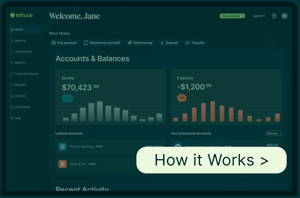
As your business grows, scalable operations become crucial. Platforms like Lettuce help solopreneurs manage invoicing, payments, expense tracking, and tax deductions in one place; so you can spend less time on admin and more time growing your business. Lettuce also supports solo LLC and solo S Corp owners with compliance-friendly workflows designed specifically for self-employed professionals.
See how solopreneurs from different industries, from event planning to real estate, use Lettuce to keep their back office running.
Personal brand basics
Your brand is a vital asset in self-employment, helping you stand out and build trust. Define your unique value and consistently showcase it through a professional website, social media, and content highlighting your expertise. A strong brand attracts the right clients and positions you as a credible expert.
Establishing these foundations will prepare you for a successful solopreneur journey, supporting your immediate needs and future growth.
Surviving the first year
Starting on your own can bring emotional highs and lows, mixing excitement with uncertainty. To stay grounded, build a support network of mentors, peers, or online communities. Mindfulness and regular exercise can also help manage stress and maintain clarity.
Getting clients doesn’t have to feel like a sales pitch—focus on building genuine relationships. Utilize industry networking and platforms such as LinkedIn to connect and share value. Free consultations or helpful content can showcase your expertise and encourage word-of-mouth referrals.
Set your rates based on industry research while highlighting what makes you unique. Avoid underpricing, which can hurt your credibility and profits. Tiered pricing packages can add flexibility and appeal to a broader range of clients.
Challenges are part of the journey, so adaptability matters. Tackle problems by analyzing the situation and staying solution-focused. Open, honest communication helps manage expectations and build client trust.
Thriving long-term
After overcoming initial challenges, focus on strategies for sustainable growth and success in your self-employment journey.
Work-life integration strategies
Balancing work and personal life is vital for long-term success. Set clear work hours and stick to them, allowing time for activities and relaxation. Utilize technology such as scheduling tools to manage your time effectively. Integrating work and life can lead to a more satisfying lifestyle.
Building multiple income streams
Relying on one income source can be risky. Diversify by offering complementary services or products that match your expertise. For instance, consultants might consider workshops or online courses. Creating passive income streams, such as e-books or digital products, can also provide financial stability.
Knowing when to say no
Accepting every opportunity is tempting, but knowing when to decline is crucial for focus and avoiding burnout. Evaluate projects against your business goals and values. If something doesn't align, it's okay to say no. Prioritizing quality over quantity will enhance your reputation and lead to more fulfilling work.
Leveraging Lettuce resources
Lettuce provides solopreneurs with tools to streamline operations: from invoicing and payments to expense tracking and tax readiness. By centralizing essential financial workflows, Lettuce helps self-employed professionals stay compliant, organized, and scalable as they grow.
Self Employed Frequently Asked Question (FAQs)
What does it mean to be self employed?
Being self employed means you work for yourself rather than an employer, taking full responsibility for your income, taxes, and business decisions. Many solopreneurs operate as single-member LLCs or sole proprietors.
How do I start being self-employed while working full time?
Most people begin by building a side hustle, validating demand, and setting aside savings before leaving their job. This gradual transition reduces risk and helps you gain confidence before going all in.
What are the biggest risks of self employment?
Income inconsistency, isolation, and overwhelming administrative tasks are common risks. Using structured systems, maintaining a financial buffer, and leveraging tools like Lettuce can help mitigate these challenges.
Do I need an LLC to be self employed?
Not always, but forming an LLC can offer liability protection and tax flexibility. Many solopreneurs choose an LLC as they grow to look more professional and protect personal assets.
Start strong with Lettuce by your side
Choosing self-employment requires thoughtful planning and the right support systems. By understanding the challenges, building strong foundations, and using tools designed for solopreneurs, you can confidently build a business that fits your life and goals.
With Lettuce supporting your financial operations and compliance needs, you can focus on what matters most: growing your independent business with clarity and confidence. Get started today!
