 Natalia Budyldina
1 min read

Strategic automation of financial workflows can help solopreneurs reclaim over 10 hours each month while unlocking significant annual tax savings. By building an automation system step by step, starting with high-impact money flows, these efficiencies compound over time, reducing errors, conserving cash, and streamlining operations. Tracking clear metrics such as hours saved, errors reduced, and money retained ensures that each automation delivers measurable, real-world ROI for a business-of-one.
Most solopreneurs are competing with bigger teams that automate everything from invoicing to taxes. You’re not just competing on expertise anymore; you’re competing on operational efficiency. The right small business automation pays you twice: time back each week and bigger tax savings every year, especially when your financial back-office runs on autopilot.
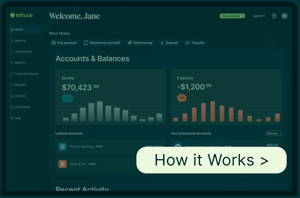
Lettuce was built to do exactly that for businesses-of-one: automate banking, bookkeeping, payroll, and taxes so you can stay focused on revenue-generating work.

Is Lettuce right for you?
See if Lettuce can help you keep more of what you earn with our short quiz.
Take Quiz1. See Automation as a System That Pays You Twice
Most solopreneurs spend nearly half their week buried in admin tasks that larger companies have fully automated. AI-powered automation can increase productivity by up to 40% for small businesses. When you design automation intentionally, it pays you twice: time back every week and bigger tax savings every year. Lettuce automates the entire financial back-office for businesses-of-one, often saving customers $10,000+ annually in taxes and 10+ hours monthly in admin work.
2. Build a Simple Automation Ladder (Not a Tech Pile)
Smart solopreneurs don’t try to automate everything in one weekend. They build a simple “automation ladder” where each step sets up the next. Research shows entrepreneurs save around 310 hours annually with strategic workflows and earn about $3.70 for every dollar invested. Start with one high-impact workflow, get it working, then climb to the next rung.
3. Start With High-Impact Money Flows First
Your banking, bookkeeping, and tax workflows touch every transaction and decision you make. Smart bookkeeping systems reclaim roughly 8 hours per week while reducing errors by 90-95%. Connect your business checking to auto-categorize transactions, run payroll with proper S Corp tax withholdings, and get real-time tax projections. These financial workflows build savings every month, unlike one-off productivity hacks that save minutes. Start by connecting your bank account to a platform that handles categorization automatically.
4. Follow the Six-Step Framework: From Capture to Optimization
Think of your automation like a ladder you climb in order:
- Capture leads through one intake form.
- Classify them automatically by priority, budget, and fit.
- Calculate tax liability in real time to schedule payments without guesswork.
- Communicate with triggered proposal emails that go out instantly.
- Convert using data from what closes and what stalls.
- Optimize the whole flow based on results.
Start with high-volume, repetitive tasks that move data between systems. Pick one step, master it, then move up the ladder.
5. Track Three Numbers Weekly: Hours, Errors, and Cash Saved
Automation should be judged on performance, not promise. Each week, track:
- Hours saved: How much less time are you spending on admin and compliance?
- Errors reduced: Are mismatched numbers, missed invoices, or categorization mistakes going down?
- Cash conserved: Are you keeping more money through better tax planning and faster payments?
Most platforms reach 85–90% accuracy after 2–3 weeks of consistent use. Create a five-minute weekly check-in: log time spent on manual tasks on Monday, and compare it on Friday. If a tool doesn’t improve at least one of these metrics, rethink it.
6. Automate Money: Banking, Bookkeeping, Payroll, and Taxes
Financial workflows are the foundation of your business automation. When you automate bookkeeping and taxes, you create a system that works around the clock, and that's exactly where smart solopreneurs start.
These systems eliminate the guesswork for you because financial automation compounds your savings every single month. Turn tax season into a routine instead of drama.
-
Connect a dedicated business account that auto-categorizes transactions and matches receipts instantly.
-
Set up owner payroll with automated, reasonable salary calculations and scheduled withholdings.
-
Enable forward-looking tax projections that calculate and pay estimated taxes automatically.
-
Link business credit cards for real-time expense tracking and automated categorization.
-
Generate year-end tax documents and financial reports automatically—no manual data entry required.
Your financial back-office now runs itself. No more quarterly guesswork, no more scrambling for receipts; just clean books and optimized taxes year-round.
7. Automate Clients: Leads, Proposals, Scheduling, and Follow-Through
Transform your client intake into a smooth, automated flow that works while you sleep. Set up one intake form that captures prospect details, automatically qualifies leads based on budget and project scope, and books qualified prospects straight to your calendar. Once someone books time, your system instantly generates a templated proposal tailored to their responses and sends it within minutes. This client management automation approach helps you respond faster than competitors and capture more opportunities.
Once prospects sign your proposal, automation handles the transition from sale to delivery seamlessly. Set up your system so that when someone signs, it automatically sends the first invoice, welcome email with project details, and onboarding instructions. After project completion, schedule follow-up sequences that request reviews at day 7, ask for referrals at day 30, and send re-engagement messages at day 72. Many affordable CRM tools now include these features. When every client moves through your automated system, you'll get hours back each week.
Small Business Automation Frequently Asked Questions (FAQs)
You're asking the right questions about automation because you want systems that deliver measurable ROI, not just efficiency hacks. These answers focus on concrete outcomes, time reclaimed, errors eliminated, and money kept, so you can make data-driven decisions about which automation investments compound results over time.
How can small business automation help me save time every week?
Research shows automation can reduce task completion time by 40% or more for routine business functions. Automated bookkeeping eliminates manual transaction categorization and receipt matching. Intelligent payroll systems handle tax calculations and quarterly payments automatically, reclaiming hours each month from compliance tasks.
What tasks can I automate as a solopreneur to reduce stress and errors?
Start with money flows: banking, expense tracking, and tax withholding create the biggest impact. Studies show automation reduces manual errors by 25% in small businesses. Client workflows like proposal generation, automated invoicing, and follow-up sequences eliminate missed opportunities and late payments that hurt cash flow.
How does automation lead to bigger tax savings for freelancers and solos?
Automated expense categorization captures deductions you'd otherwise miss, while real-time tracking creates audit-ready documentation. Smart platforms calculate optimal salary-to-distribution ratios for S Corps automatically. AI-powered tax planning delivers year-round projections instead of scrambling at tax time, maximizing strategic deductions and minimizing penalties.
What's the smartest way to start automating without overwhelming my current workflow?
Begin with one integrated system that handles multiple functions rather than juggling separate tools. Only 23% of solopreneurs currently use automation, so early adoption creates competitive advantages. Choose platforms that connect banking, bookkeeping, and tax prep—this approach eliminates data entry between systems while building momentum for broader automation.
Make Taxes Less Taxing and Put More Back in Your Pocket
Tax savings for solopreneurs shouldn’t mean stacking more tools or spending your free time chasing down numbers. The real advantage comes from having one connected system that handles your banking, bookkeeping, and taxes in the background, so you’re not constantly switching tabs or second-guessing your finances. With automation and real-time visibility, many small businesses can save up to 10 hours a month just by cutting down on manual work.
That’s exactly what Lettuce delivers: smart banking, automated bookkeeping, payroll, and S Corp strategy working together as one always-on setup. If you’re done piecing everything together and want a simpler way to keep more of what you earn, Lettuce makes it easy. Try our tax calculator to estimate what you could save, then see how an automated system built for solopreneurs can take the heavy lifting off your plate.