 Diane Kennedy, CPA
1 min read

Freelancers and solopreneurs often wait until tax season to think about taxes, which can lead to expensive surprises. Building simple financial systems throughout the year helps reduce stress, improve cash flow, and create a more sustainable business.
Have you ever thought it might be easier to just go back to working for someone else? Sure, the hours were rough. The commute was worse. And you probably made less money.
But at least you didn’t have to think about taxes.
That’s exactly what happened to a friend of one of my clients. His consulting business was finally taking off … until tax season hit.
When he saw how much he owed, his reaction was basically: “Maybe I should just get a regular job again.”
If you’ve ever looked at your tax return and thought, “Wait… I owe HOW much?” — you’re not alone. The good news is that there is something you can do so that it never happens again.
The biggest tax myth I see with freelancers and solopreneurs is this idea that taxes are something you “deal with later.”
At first, it feels harmless. You’re busy trying to get clients, deliver work, pay bills, and keep everything moving. Taxes become a future problem.
Until suddenly it’s not.
Then you’re sitting in front of your tax return, realizing nobody was withholding taxes from your payments, nobody was setting aside money for self-employment tax, and nobody told you that making more money can actually create cash flow problems if you don’t plan for it.
That surprise bill is often the moment people start feeling like they just can’t do this anymore.
The solution is simpler than they might realize. They need a tax system.
Employees live in a world where taxes mostly happen automatically.
Business owners live in a world where taxes require intentional decisions throughout the year. That’s a completely different skill set.
A freelancer can finally hit a $40,000 year and then end up staring at a $10,000 tax bill because nobody helped them build taxes into the system as the money came in.
The reality is that good tax planning usually happens before year-end. Not at tax time. Not while you’re uploading documents to your accountant. And definitely not after the money is already spent.
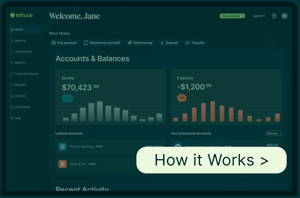
Lettuce helps freelancers and solopreneurs stay ahead of taxes by automating bookkeeping, tracking income in real time, and setting aside funds for quarterly taxes. Instead of scrambling during tax season, business owners can see exactly what they owe throughout the year and avoid surprise bills.

Is Lettuce right for you?
See if Lettuce can help you keep more of what you earn with our short quiz.
Take QuizSimple habits can make a huge difference:
- Set aside a percentage of income as it comes in
- Track income and expenses monthly instead of annually
- Separate business and personal accounts
- Make estimated tax payments
- Understand which deductions actually apply to your business
- Review profitability before the year gets away from you
This doesn’t mean you need complicated spreadsheets or a finance degree. It means you need a system that provides data you can use. Because when you understand what’s happening in real time, taxes stop feeling like an ambush.
With Lettuce, solopreneurs can automate bookkeeping, quarterly tax payments, payroll, and financial reporting in one place. The platform is designed to simplify self-employed finances so business owners can focus more on growing revenue and less on tax stress.
The goal isn’t to magically erase taxes in April. The goal is to avoid surprises and make smarter decisions while you still have options.
Ironically, the people who feel most stressed about taxes are often the ones whose businesses are finally succeeding.
More income creates more opportunities. But it also creates more responsibility.
That’s why building simple financial systems early matters so much. Not because it’s exciting — but because it protects your peace of mind later.
And that’s usually the point where business ownership starts feeling sustainable instead of overwhelming.
Freelancer Tax Planning Frequently Asked Questions (FAQs)
Why do freelancers owe so much in taxes?
Freelancers and solopreneurs usually do not have taxes withheld from payments the way employees do. They may also owe self-employment taxes in addition to income taxes.
Should freelancers make quarterly estimated tax payments?
In many cases, yes. Quarterly estimated payments can help reduce penalties and prevent large tax surprises at year-end.
How much should I set aside for taxes as a freelancer?
It depends on your income level, state, and business structure, but many freelancers start by setting aside 25–35% of net income until they have more precise projections.
What’s the biggest tax mistake small business owners make?
Waiting until tax season to look at finances. By then, many planning opportunities are gone.
Ready to make taxes less stressful? Lettuce helps freelancers and solopreneurs automate bookkeeping, quarterly taxes, payroll, and financial tracking so you can avoid surprises and stay focused on growing your business. Try Lettuce and get started today!
This article is part of the Tax Strategy Series, featuring in-depth, practical guidance from Diane Kennedy, CPA—bestselling author, strategic tax consultant, and founder of USTaxAid and KennedyTax.tax. Explore the full series and catch every installment here.
Related Articles: