 Natalia Budyldina
1 min read

Creating a clean, clear invoice might not feel like the most exciting part of freelancing, but it’s one of the most important. A well-structured self-employed invoice helps you get paid faster, set expectations clearly, and project professionalism from the start.
Whether you’re new to solo work or tightening up your process, small upgrades to your invoicing routine can lead to significant improvements in how you work, earn, and grow.

Curious if an S Corp is right for you?
Try the Lettuce Tax Calculator to see how much more you can take home each year.
See your savingsWhat to include in a self-employed invoice
A strong self-employed invoice doesn’t just ask for payment—it shows that you run your business with clarity and professionalism. Including the correct details helps you avoid payment delays, bookkeeping issues, or client confusion.
If you’re unsure where to start, invoicing as a freelancer efficiently begins with the basics: clear identification, smart formatting, and a professional tone.
Your name or business name and contact info
Start with your details so the client knows who the invoice is from:
-
Your full name or registered business name
-
Email address and phone number
-
Mailing address (if relevant)
The client’s name and contact info
Direct the invoice to the right person or department to ensure it’s processed quickly and helps avoid miscommunication. Include:
-
Client name
-
Company name (if applicable)
-
Contact email and billing address
Unique invoice number and issue date
Tracking invoices is easier when each one is clearly labeled:
-
Use a unique invoice number (e.g., INV-001, INV-2024-05)
-
Include the date the invoice is issued
Outline the services and terms clearly
Clear communication prevents missed payments and helps set expectations from the start. Every self-employed invoice should include a breakdown of the work provided and payment terms that make sense for you and your client. A little extra clarity here can go a long way in avoiding disputes or delays.
There are freelance worker rights across the country, which require written terms and timely payment to protect freelancers. No matter where you live, taking the time to outline your services and billing structure helps establish trust and get you paid on time.
Itemized breakdown of work completed
Show what the client is paying for. Include:
-
Hours worked, deliverables completed, or packages purchased
-
Short descriptions of services (e.g., “3 hours of brand strategy consulting”)
-
Date(s) work was performed
Payment terms
Use clear, standard language to define when payment is due and include that in your contract. Many independent professionals use standard payment practices like Net 15 or Net 30 to keep timelines clear and avoid confusion.
-
Net 15 – payment due 15 days after invoice
-
Net 30 – payment due in 30 days
-
Due on receipt – payment due immediately
Include tax, discounts, or other variables
Make sure the invoice reflects the whole picture:
-
Add any applicable tax or VAT
-
Apply agreed-upon discounts
-
Include expenses, fees, or other charges discussed ahead of time
Payment instructions and total amount
A clear, complete payment section removes guesswork and reinforces your professionalism. It’s also a great place to remind clients of any fees or incentives tied to timing.
Clearly list the total amount due
At the bottom of your invoice, summarize the full amount the client owes. Make it easy for them to find and double-check for accuracy. Consider including:
-
Amount owed
-
Due date
-
State a late fee for overdue payments
-
Encourage early payment with a discount (e.g., 2% off if paid within 10 days)
Include preferred payment method
Offer options that make it easy to process payments. The more convenient it is for the client, the faster you’ll get paid. Common methods include:
-
Direct bank transfer or ACH
-
PayPal, Stripe, or Venmo (depending on client type)
-
Checks (if working with traditional businesses)
-
Payment link from your accounting software
A note like “Payment preferred via ACH to avoid processing fees” helps guide the client toward your ideal option without causing friction.
Review, save, and send
Even the best invoice layout can fall flat if it contains typos, math errors, or missing details. A final review helps you catch small mistakes before they slow down payment. It also reinforces your reputation as a reliable, organized professional.
Double-check all information for typos or math errors
Go line by line to ensure everything is accurate, especially line item totals, tax calculations, and due dates. Precision matters when you’re billing clients who expect clarity.
Save a copy for your records and bookkeeping
Keep an organized record of every invoice you send. Organization helps with income tracking, taxes, and client history. The IRS offers guidance on what records self-employed individuals should retain, and having those in place early simplifies everything later.
For those filing a Schedule C, this IRS worksheet shows how your invoice totals connect to year-end reporting.
Send via email with a short, professional message
Your email doesn’t need to be long—just clear and courteous. A strong message might include:
-
A one-sentence summary of the invoice and due date
-
A quick thank you for the collaboration
-
A line offering to answer questions or provide clarification
Examples and templates to get started
If you’re building your first self-employed invoice, a few visual references can save time and reduce uncertainty. While invoicing doesn’t need to be complex, it should always be clear, consistent, and complete.
Basic invoice template layouts
Most effective invoices follow a simple structure:
-
Your name and contact details
-
Client’s name and contact information
-
Unique invoice number and issue date
-
Itemized list of services with rates and total
-
Payment terms and payment method
You can start from a basic spreadsheet like this state-published freelance invoice template or adapt formats based on your industry. Writers and creatives might prefer examples like this freelance copywriting invoice guide, which breaks down specifics for content projects.
Provide sample payment terms
Here are a few examples of what to include:
-
Net 15 or Net 30 (based on your preferred cycle)
-
50% deposit upfront, 50% on delivery
-
Milestone billing for long-term projects
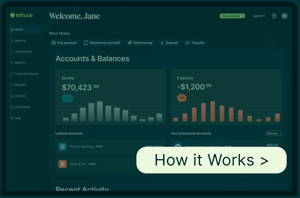
How Lettuce makes invoicing easier
We simplify invoicing so you can focus on what matters most—delivering great work, growing your business, and getting paid on time.
Lettuce’s admin tools give solopreneurs a professional-grade system without the learning curve. You don’t need separate apps for invoices, reminders, payment tracking, and tax prep—just one platform built to keep you organized and in control.
With Lettuce, you can:
-
Create branded invoices in minutes
-
Set your payment terms and automate follow-ups
-
Track income and outstanding payments at a glance
-
Sync invoicing with tax strategy, payroll, and compliance tools
Streamlined invoicing makes everything else run smoother and positions you as the professional you are.
Make invoicing the easiest part of self-employment
A strong self-employed invoice does more than request payment—it reinforces your professionalism, builds trust, and supports steady cash flow. When your invoicing is clear, consistent, and well-structured, you don’t just get paid—you run a business that earns respect and repeat work.
As your solo career grows, the right systems make all the difference. Lettuce helps freelancers, consultants, and other business-of-one professionals simplify invoicing, stay organized, and manage back-office operations with ease.
With Self-Employment OS, you can:
-
Automate admin tasks that used to eat up your time
-
Keep client info, invoices, and payments in one place
-
Tie invoicing into your broader tax and compliance strategy
You stay focused on delivering great work. Lettuce handles the rest.