
 Alex Zelaya
1 min read

The underpayment penalty catches many solopreneurs off guard, even when they pay their full tax bill on time. Because the IRS requires taxes paid throughout the year, missing quarterly deadlines triggers daily compounding interest. Understanding safe harbor thresholds and automating your estimated payments keeps you penalty-free and in control of your cash flow year-round.
You have complete control over whether you ever pay an underpayment penalty again. The challenge is that the IRS raised penalty rates to around 8% as of late 2023: a 60% increase from the 5% rate just two years earlier. For solopreneurs earning $100,000 annually, a single missed quarterly payment could now trigger hundreds in penalties.
This penalty hits self-employed professionals particularly hard because they don't have an employer automatically withholding taxes throughout the year. Instead, you're responsible for making estimated tax payments four times per year, and the IRS treats any shortfall like you borrowed money from them, with interest compounding daily.
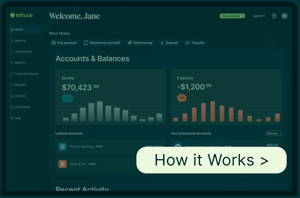
Lettuce automates your quarterly tax workflow from calculation to payment tracking, helping you stay on schedule and penalty-free without the stress of spreadsheets. Get started today to keep your income flowing smoothly and remove the risk of underpayment penalties for good.

Is Lettuce right for you?
See if Lettuce can help you keep more of what you earn with our short quiz.
Take QuizWhat Is the Underpayment Penalty and Who Owes It?
You can file your taxes on time, pay everything you owe, and still get charged. Many solopreneurs only learn about the underpayment penalty when they realize the IRS uses a pay-as-you-go system that requires taxes to be paid throughout the year.
The IRS Charges A Penalty When You Pay Too Little, Too Late
The underpayment charge applies when you don't pay enough during the year through withholding or estimated payments. Even if you pay your full tax bill by April 15, you can still owe this penalty if you didn't pay enough during each quarter. The IRS calculates the charge based on how much you underpaid and for how long.
Solopreneurs Most Commonly Face This Requirement
Freelancers, consultants, and business-of-one owners are most likely to encounter this charge. If you have significant non-W-2 income, whether from client work, 1099 contracts, or business profits, you likely need to make estimated payments to avoid fees.
Four Deadlines That Determine Your Risk
Your exposure depends on four specific deadlines each year. Estimated tax payments are due on:
-
April 15
-
June 15
-
September 15
-
January 15 of the following year
Miss any of these dates, and penalties start accumulating immediately on the underpaid amount. The charge applies to each quarter separately, so paying your full tax bill by April 15 won't eliminate the penalty if you missed earlier deadlines.
How the IRS Calculates the Underpayment Penalty Rate
The IRS underpayment penalty rate follows a straightforward formula: the federal short-term rate plus three percentage points, compounded daily. Think of it as interest that never stops growing until you pay. The IRS treats this penalty exactly like interest on a loan. Each day you owe money, the balance increases based on the previous day's total.
Rates change every quarter based on market conditions, so the amount you owe early in the year may cost more later if interest rates increase. The IRS announces new rates roughly 45 days before each quarter begins, and you can find current figures on their quarterly interest rates page.
Miss a payment and wait until tax season to catch up, and you are looking at months of compounding penalties that can add a meaningful amount to your bill. Understanding these penalty calculations shows why timing is such an important part of quarterly payments.
Example:
Say you miss your June 15 estimated payment and underpay by $2,000. If the IRS penalty rate is 7 percent, the daily rate is about 0.019 percent. From June 15 to September 15 (about 92 days), the penalty adds roughly $35. If you wait until January 15 to catch up, that is about 214 days of daily interest, increasing the penalty to roughly $81. The longer the balance sits unpaid, the more the total grows beyond the original $2,000.
How to Avoid the Underpayment Penalty Every Year
Here's what puts you in complete control: The IRS provides clear rules for staying penalty-free, and with the right system, you can make underpayment penalties disappear from your financial life forever.
-
Make four quarterly payments by the deadlines: Pay estimated taxes by April 15, June 15, September 15, and January 15 to stay current with your pay-as-you-go requirements and avoid penalty periods.
-
Hit safe harbor thresholds: Pay at least 90% of this year's expected tax OR 100% of last year's total tax to guarantee penalty protection. (Note: If your prior-year income exceeded $150,000, use 110% instead of 100%.)
-
Track your income patterns: If your earnings fluctuate significantly, consider the annualized income method to match payments with actual quarterly earnings and reduce early-year payment requirements.
-
Leverage strategic tax planning: Consider S Corp election to optimize your overall tax strategy while maintaining automated quarterly compliance and penalty protection.
-
Automate your tax savings: Set aside 25–30% of every payment you receive into a dedicated tax account. This ensures cash is always ready when quarterly deadlines hit.
-
Use technology to avoid underpayment penalty: Automate calculations, payments, and deadline reminders so you never miss a due date or scramble for cash at the last minute.
Lettuce keeps your quarterly taxes on schedule by automating calculations, tracking safe harbor targets, and preparing cash flow so every deadline is covered. Get started today to stay penalty-free all year and remove the stress of managing estimated payments on your own.
Exceptions and Waivers: When the Penalty Doesn't Apply
Good news: you're not trapped if you miss estimated payments. The IRS built several relief options into the underpayment penalty system, recognizing that life happens, income fluctuates, and sometimes circumstances beyond your control disrupt your payment schedule.
Automatic Protection for Small Tax Bills and Safe Harbor Payments
You're completely protected from underpayment penalties if your total tax bill after withholding is less than $1,000. Beyond that, safe harbor rules shield you when you pay at least 90% of this year's tax or 100% of last year's total tax (110% if your prior-year income exceeded $150,000). Save your payment confirmations and records; they're your insurance policy if the IRS has questions.
Relief for Life's Unexpected Challenges
The IRS may waive penalties when underpayments result from casualty, disaster, or other unusual circumstances beyond your control. This includes federally declared disasters, serious illness, family emergencies, or situations where imposing the penalty would be unfair. Retired individuals over 62 or those who became disabled can also request relief if their underpayment was due to reasonable cause, not willful neglect.
Exception for Uneven or Seasonal Income
When your income pattern doesn't match the IRS's equal-payment expectations, you have options. If your income arrives unevenly throughout the year—seasonal work, large fourth-quarter contracts, or investment gains—you can use the annualized income method on Form 2210's Schedule AI. This approach calculates required payments based on actual quarterly income rather than equal installments, often reducing or eliminating penalties entirely.
Underpayment Penalty: Frequently Asked Questions
The right questions now prevent costly surprises later. Here are the underpayment penalty FAQ answers to help you stay penalty-free and in control of your tax strategy.
How do I avoid the IRS underpayment penalty as a solopreneur?
Make four quarterly payments that hit safe harbor thresholds. Set aside 25-30% of each payment into a dedicated tax account. Automated systems handle calculations and deadlines, so you never miss a payment or miscalculate amounts.
What is the current IRS underpayment interest rate for estimated taxes?
The IRS updates the underpayment penalty rate every quarter. You can find the current rate on the IRS quarterly interest rates page. Check this page before planning your estimated payments, since the rate changes throughout the year.
When are quarterly estimated tax payments due for self-employed individuals?
Due dates are April 15, June 15, September 15, and January 15 of the following year. Weekend or holiday? You get until the next business day. Missing any deadline starts the penalty clock for that specific quarter, so mark your calendar.
What exceptions qualify for a waiver of the underpayment penalty?
The IRS waives penalties for casualty, disaster, or unusual circumstances beyond your control. Retirement after age 62 or disability within two years also qualifies. Owe less than $1,000 total or had no tax liability last year? You're automatically protected.
What if I can't pay my tax bill on time? Will penalties snowball?
Penalties do grow at 7% annually, but you have options to stop the clock. Apply for an IRS payment plan immediately and pay what you can now. Partial payments slow the growth. Contact the IRS proactively; they offer solutions when you communicate early.
How does annualized income help when income is uneven?
The annualized method calculates required payments based on actual quarterly income, not estimated annual amounts. This works perfectly for seasonal businesses or project-based work. You'll need Form 2210 Schedule AI, but it can eliminate penalties when income fluctuates significantly.
Can first-time penalty abatement help me if I've never had an issue before?
Yes, if you've filed returns and paid taxes on time for the past three years. First-time abatement removes penalties automatically; no supporting documents needed. The IRS applies it when reviewing your account, even if you haven't paid the underlying tax yet.
Make Penalties a Non-Event
Underpayment penalties happen when quarterly payments miss IRS safe harbor thresholds or deadlines. Manual calculations and scattered reminders make it easy to overlook a payment window and trigger avoidable fees.
Staying penalty-free comes down to timing, accurate calculations, and consistent tracking. When all three work together, quarterly taxes become predictable and manageable instead of stressful or last-minute.
Get started with Lettuce today to automate your quarterly payments, hit safe harbor targets, and move through every tax season without underpayment penalties.
