



Skip to the main content.

Business Formation

We handle the paperwork, filings, and setup.

Tax Management

Most solopreneurs overpay. We'll make sure you don't.

Automate Finances

Expenses, payroll, compliance
and bookkeeping.

Benefits

Healthcare, dental, vision
and accident coverage.

Screenshot 2026-09-19 at 1.18.26 PM

Not sure what you need?

See everything Lettuce does for your business in one place.

View All Features

7 min read

What Successful Solos Do Differently: The Habits Behind Six-Figure Businesses of One

What Successful Solos Do Differently: The Habits Behind Six-Figure Businesses of One
Habits of Successful Solopreneurs | Lettuce
14:40

Reviewed by: Mark Rose

Established six-figure solos tend to share a handful of repeatable habits, from spreading income across clients to building the structure and savings that help a business-of-one last.


What does it take to turn a business-of-one into something that lasts? Lettuce's 2026 Solopreneur Perspective survey of 603 solopreneurs offers a few clues. When we compared established six-figure solos (those earning more than $150,000 a year and operating solo for five years or more) with the average respondent, a clear pattern showed up in how they run their businesses.

The encouraging part is how repeatable those habits are. Most of them come down to everyday decisions about clients, business structure, time, and long-term planning, which means you can start building them at any stage. Below, we break down the habits that stood out and how they might fit into your own business.

Lettuce can help with the behind-the-scenes side of those habits by automating bookkeeping, payroll, taxes, and compliance for businesses-of-one.

FreeTools-BlogCTAs_scorp-tax-calc
FREE CALCULATOR

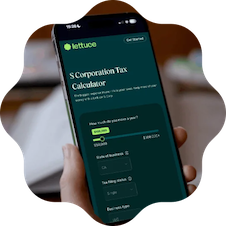
S Corp Tax

The biggest expense in your life is your taxes. Use this calculator to see what you could save with an S Corp.
Calculate

Spread Your Income Across More Than One Client

One of the clearest differences in the survey shows up in where successful solos get their income. Only 10% of established six-figure solos rely on a single paid engagement, compared with 28% of average solopreneurs. The most common setup among top earners is two to three engagements at once, which 42% of them reported.

That kind of balance does a lot of quiet work. When a contract wraps up or a client trims their budget, the business keeps moving, and your next decision can come from a place of choice. A broader client base also gives you more room to say yes to the projects that fit and pass on the ones that don't.

There is a sweet spot, too. Successful solos tend to keep a handful of steady relationships going without spreading themselves so thin that the work suffers. The full report breaks down how that balance shifts across income levels.

Set Up Your Business Like It's Built to Last

Established six-figure solos are twice as likely to operate as an S Corp. In the survey, 48% of them are currently set up with one, compared with 22% of average solopreneurs. Plenty of average solopreneurs already understand how an S Corp differs from a sole proprietorship or LLC, but have yet to make the switch, and the full report shows just how wide that gap is.

What an S Corp Changes

An S Corp is a tax election that lets you pay yourself a reasonable salary and take the remaining profit as distributions. Self-employment taxes apply to the salary portion, which can lower your total tax bill compared with operating as a sole proprietor or single-member LLC. Actual savings depend on your income, expenses, and state, so it helps to compare business structures with your own numbers in mind.

When the Switch Starts to Make Sense

For most solopreneurs, an S Corp is worth a closer look once the business consistently earns $80,000 or more a year. That's roughly where potential tax savings tend to outweigh the added cost of running payroll and filing extra returns.

Lettuce handles LLC formation, S Corp election, and business bank account setup with no upfront fees. And with the Lettuce-Back Guarantee, if Lettuce doesn't save you more in taxes than you pay for Lettuce Pro, your subscription fees are refunded.

Give Business Money Its Own Lane

Structure also covers the day-to-day basics. A dedicated business bank account and a clear view of what's set aside for taxes make it much easier to see how the business is really doing. We cover more of the money side in our guide to navigating finances solo.

Let AI and Automation Handle the Admin

Successful solos treat AI a lot like an in-house team. The widest gap in AI use shows up in admin work: 58% of established six-figure solos use AI for administrative tasks, compared with 44% of average solopreneurs. Every hour saved on repetitive work is an hour that can go back to clients and the relationships that bring in new ones.

Here are the areas where automation tends to pay off fastest for a business-of-one:

  • Bookkeeping and categorization. Automated bookkeeping keeps your books current without a stressful month-end catch-up session.
  • Invoicing and payment reminders. Scheduled invoices and automatic follow-ups help payments arrive on time with far less chasing.
  • Payroll and tax payments. When salary and taxes run on a set schedule, quarterly deadlines no longer need a spot on your calendar.
  • First drafts and research. AI tools can speed up proposals, summaries, and client emails, leaving you to refine and approve the final version.

We take a closer look at how solopreneurs are using AI, along with the concerns some still have, in our guide to AI's impact on solo work.

Put People at the Center of Your Growth

When it comes to finding work, successful solos lean on people. Networking is nearly universal across both groups. Where top earners stand out is in how little energy they put into building a digital presence.

Growth Channel
Established Six-Figure Solos
Average Solopreneurs
Networking
77%
75%
In-person meetings
45%
41%
Content creation
37%
48%
Social media
31%
45%

One likely reason is that referrals and repeat clients carry more of the pipeline once a solo business is established. A warm introduction from a past client can go further than a month of posting. Strong professional relationships also make solo work feel a lot less isolating, which counts for something on the harder weeks.

Give Yourself the Retirement Plan an Employer Would Have Offered

Nine in 10 established solos are saving for retirement. They're also nearly three times as likely to have a SEP IRA and nearly twice as likely to have a Solo 401(k). Even so, the survey suggests top earners still have room to do more.

A few moves can help you build the same habit:

  1. Choose a plan that fits how you earn. A Solo 401(k) allows both employee and employer contributions. With a SEP IRA, only employer contributions are allowed, so comparing the two can help you find the right fit.
  2. Make contributions automatic. Scheduling regular contributions turns saving into a default and takes one more monthly decision off your plate.
  3. Revisit your contributions as income grows. IRS limits can depend on your compensation, so a strong year could open up room to save more.
  4. Look at the tax side. Contributions may be tax-deductible depending on the account type and your circumstances, which could help reduce your taxable income.

Lettuce provides access to Carry's Solo 401(k) and IRA plans, which you set up and manage yourself on Carry.

Why Small Habits Add Up Over Time

Most successful solos built their businesses gradually. Among established six-figure solos, 60% have been in business for five to 10 years, a sign that steady progress counts for a lot. Each habit in this guide gets stronger the longer it runs.

  • Diversified income gives you leverage. With more than one client, you can raise your rates and turn down poor-fit work with more confidence.
  • The right structure keeps working in the background. An S Corp may reduce self-employment taxes every year it stays in place.
  • Automation gives you hours back. Time that used to go to financial admin can go toward clients and growth instead.
  • Retirement savings get more time to grow. Contributions made earlier have more years to potentially compound.

For more insights on running a business-of-one, subscribe to The Wedge newsletter.

Frequently Asked Questions About Successful Solopreneurs

Success looks different for every solopreneur. Here are answers to common questions about growing a business, managing challenges, and building for the long term.

What do successful solopreneurs do differently?

Successful solopreneurs tend to spread their income across multiple clients and put a formal structure in place for the business. In our 2026 survey, only 10% of established six-figure solos rely on a single engagement, and 48% operate as an S Corp, compared with 22% of average solopreneurs.

Should a solopreneur form an S Corp?

An S Corp may be worth considering as your income grows, since potential tax savings can outweigh the cost of payroll and extra filings. In our survey, 47% of solos earning $151k+ have one, compared with 11% of those earning under $70k. Still, the right choice depends on your income, expenses, and state, so it helps to review your numbers with a tax professional before making the switch.

How many clients should a solopreneur have?

There is no single right number, but the survey points to a clear pattern. Among established six-figure solos, 42% work with two to three paid engagements at once, compared with 30% of average solopreneurs. That mix can offer stability without stretching you too thin.

Do successful solopreneurs use AI in their business?

Yes, and they lean on it heavily for behind-the-scenes work. In our survey, 58% of established six-figure solos use AI for admin tasks, compared with 44% of average solopreneurs. Many also use it for marketing and content creation.

How do top solopreneurs manage their time?

Many protect their time by automating repetitive work like bookkeeping and tax payments. That leaves more room for client work and relationship-building, which tend to drive the most growth for an established solo business.

lettuce-quiz

Is Lettuce right for you?

See if Lettuce can help you keep more of what you earn with our short quiz.
Take Quiz

Start Building Your Own Six-Figure Playbook

The habits behind successful solo businesses are surprisingly practical. A healthy client mix, a structure that fits your income, help with repetitive work, and a long-term savings plan all build on each other over time. Each one is something you can start working on this year.

This article covers only part of what we found. The full Solopreneur Perspective 2026 report goes deeper into how top earners grow, where they focus their marketing, how they approach retirement, and how AI fits into their work. Download the full report to see how your business compares with more than 600 other solopreneurs.

Lettuce automates the back office for businesses-of-one, giving you more time for the habits that grow your business.

Carry Disclaimer: The Lettuce Learning Center is operated by Lettuce Financial Labs Inc. (“Lettuce”) and contains generalized educational content about personal finance topics. The information published should not be construed as personalized investment or tax advice and should not be considered as a solicitation to buy or sell any security or engage in a particular investment, accounting, tax or legal strategy. You should consult with qualified tax, legal, accounting, and investment professionals regarding your specific situation.

The accounts, strategies and/or investments discussed in this material may not be suitable for all. All investments involve the risk of loss, and past performance does not guarantee future results. Investment growth or profit is never a guarantee. All statements and opinions included on the Lettuce Learning Center are intended to be current as of the date of publication but are subject to change without notice.

Carry is owned by Lettuce.; the two are affiliated. Any investment advisory services discussed on this website are provided exclusively through its wholly-owned subsidiary, Carry Advisors LLC (“Carry Advisors”), an SEC registered investment adviser.

To access Carry investment advisory services through Carry Advisors, you must be a client of Carry on an eligible membership plan. For more information about Carry Advisors' investment advisory services, please see our Form ADV Part 2A brochure and Form CRS or through the SEC's website at www.adviserinfo.sec.gov.

© 2026 Lettuce Financial Labs Inc.


About the Author

Photo of Ran Harpaz
Ran Harpaz

Founder & CEO, Lettuce Financial


Ran Harpaz is a fintech and technology executive, founder and CEO of Lettuce Financial, an AI-powered platform streamlining business operations and finance, or solopreneurs. His work focuses on helping independent professionals manage business operations, accounting, payroll, benefits, and tax compliance with tools once reserved for larger companies. Before founding Lettuce, Harpaz held senior leadership roles across high-growth technology, fintech, insurtech, and cybersecurity companies, including COO and CTO of Hippo Insurance, founding CTO of Globality, senior strategy roles at PayPal, CIO of Netvision/Cellcom, and leadership roles at Skybox Security and Sanctum. Harpaz holds an MBA with honors, a BA in Economics with honors, and an LLB in Law from Tel Aviv University.

Related Resources

1 min read

Mapping the Solopreneur Healthcare Journey in 2026: Why Coverage Still Holds Solos Back

Healthcare remains one of the biggest hurdles before and after going solo, and knowing your options, from partner plans to group-style coverage, can...

1 min read

Navigating Finances Solo: Where the Blind Spots Are and What Fixes Them

Most financial blind spots in a solo business come down to a few missing systems, and putting them in place can help you keep more of what you earn...